Hill Boarding School: A Complete Guide to Boarding Schools in Hill Areas
Choosing the right school is an important decision for parents. When a child is going to live on campus, the decision becomes even more important because the school becomes a place for learning, living, making friends, and developing new habits.
A hill boarding school offers a different setting from a school in a busy city. Surrounded by hills, greenery, and open spaces, students can experience a quieter environment while following a structured academic routine. Boarding life also gives children opportunities to become more independent, responsible, and confident.
For parents looking at residential education, boarding schools in hill areas can be an interesting option. The natural surroundings, school routine, outdoor activities, and residential community can all contribute to a child’s overall school experience.
Understanding Hill Station Boarding Schools
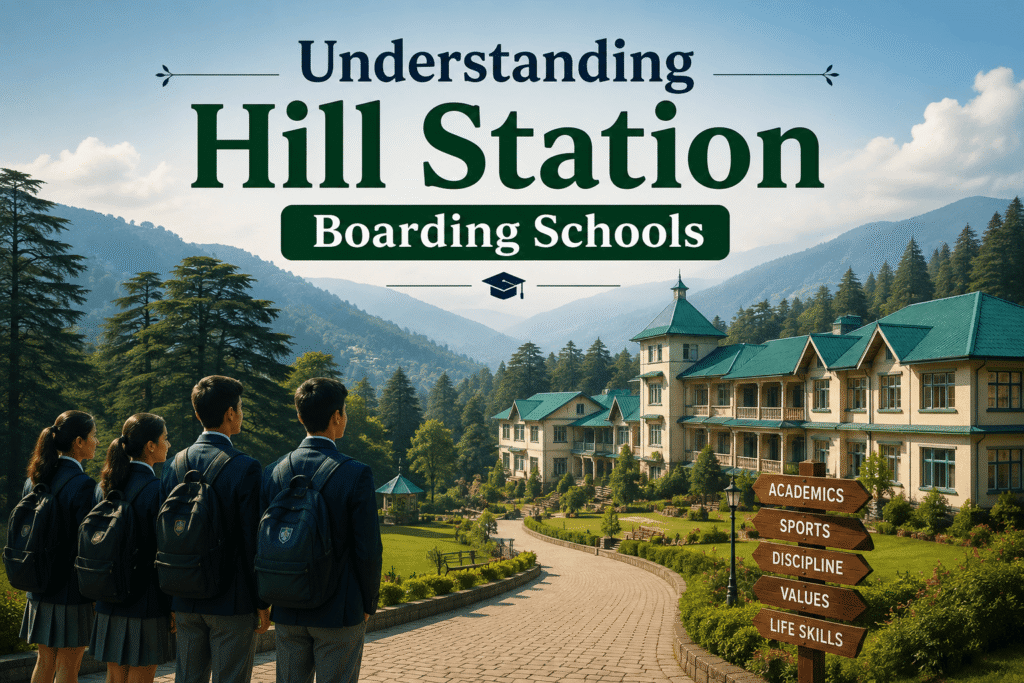
A hill station boarding school is a residential school located in or around a hilly or mountainous region. Students stay on the school campus during the academic term and take part in classes, sports, activities, meals, and other daily routines there.
The natural surroundings are one of the main features of such schools. Instead of spending the entire school day in a crowded urban area, students may have access to open spaces, trees, hills, and a quieter atmosphere.
However, the location should not be the only reason for choosing a school. Parents should also consider the curriculum, teachers, hostel arrangements, safety, food, healthcare, sports facilities, extracurricular activities, and the level of care provided to students.
A good hill boarding school should offer a balanced environment where children can focus on their studies while also enjoying activities and personal growth.
Why Choose a Hill Station Boarding School?
There are several reasons why families consider boarding schools located in hill regions.
The peaceful surroundings can make daily life feel less hectic. Students may have fewer distractions associated with busy city environments and more opportunities to spend time outdoors.
Boarding life can also help children develop independence. Students learn to follow schedules, keep their belongings organised, manage their study time, and live with other children.
Another benefit is the sense of community that develops in a residential school. Students spend time together in classrooms, hostels, dining areas, sports grounds, and activity spaces. These experiences can teach cooperation, communication, patience, and respect.
For children who enjoy nature, studying in a hill environment can also make school life more enjoyable. The surroundings become part of everyday life rather than something experienced only during holidays.
Boarding Schools in Hill Areas
India has several residential schools located in hill regions. Himachal Pradesh and Uttarakhand are among the areas known for their natural surroundings and residential educational institutions.
When comparing boarding schools in hill areas, parents should look beyond the campus scenery. A school may have a beautiful location, but it should also have reliable hostel supervision, appropriate student facilities, qualified teachers, good food, healthcare support, and opportunities for sports and extracurricular activities.
Parents should also ask about the daily boarding routine. The way students spend their mornings, school hours, study periods, meals, recreation time, and evenings can have a major effect on their experience.
It is also important to understand how the school supports students who are living away from home for the first time. Regular communication between parents and the school can make the transition easier for children.
Chinmaya Vidyalaya Nauni: A Boarding School in a Hill Environment
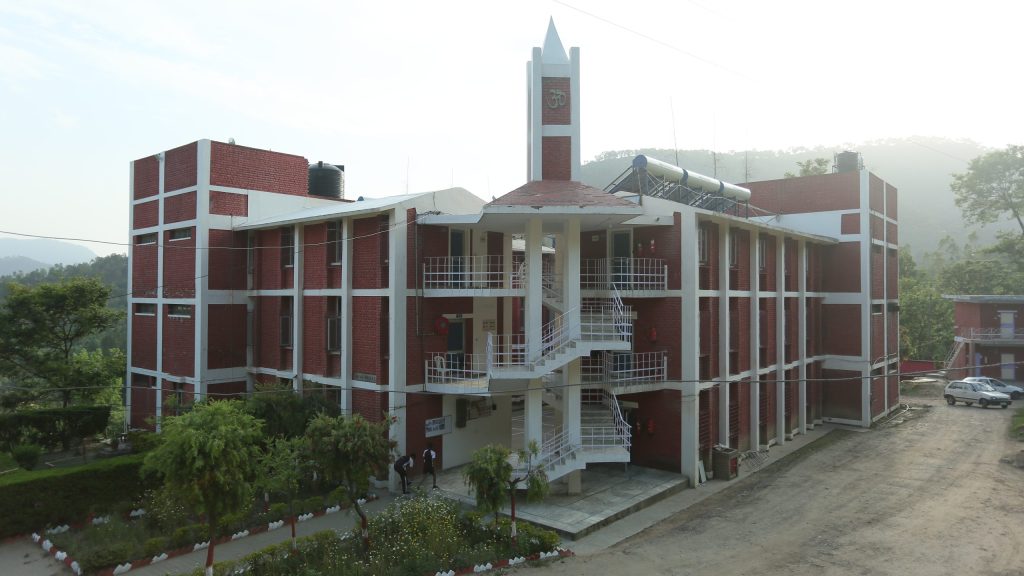
Chinmaya Vidyalaya Nauni is located at Nauni near Solan in Himachal Pradesh. The school provides residential education in a hill environment, giving students an opportunity to study and live away from the crowded surroundings of a major city. The natural setting is an important part of the school’s environment. Students have access to green surroundings and outdoor spaces while following a structured academic and residential routine.
Along with classroom education, boarding life gives students opportunities to take part in sports, activities, group work, and other aspects of campus life. Living with other students can also help children learn practical skills such as time management, cooperation, responsibility, and organisation.
For parents researching a boarding school in Himachal Pradesh, Chinmaya Vidyalaya Nauni is one school that can be considered when comparing residential education options in a hill setting.
Benefits of Studying in a Hill Station
A Peaceful Learning Environment
One of the main attractions of studying in a hill station is the surroundings. Compared with many crowded urban areas, hill campuses can provide a calmer environment for studying and daily activities.
Opportunities for Outdoor Activities
Students in hill areas can often enjoy greater access to outdoor spaces. Sports, walks, physical education, and recreational activities can become a regular part of school life.
Development of Independence
Boarding students learn to handle many everyday responsibilities on their own. They have to manage their belongings, follow routines, complete schoolwork, and adjust to living with others.
Better Social Interaction
Living together creates many opportunities for students to interact with classmates. They learn how to share spaces, work in groups, solve disagreements, and develop friendships.
Connection With Nature
Regular exposure to nature can be a valuable part of childhood. Students may become more familiar with trees, open spaces, changing weather, and the local landscape.
Meditation and Well-Being in Boarding School Life
School life can be demanding. Classes, homework, examinations, sports, activities, and social responsibilities can leave students feeling tired or overwhelmed at times.
Simple meditation practices can be introduced as part of a healthy daily routine. Meditation does not need to be complicated. Even a few minutes of sitting quietly and concentrating on breathing can give students a chance to pause and settle their minds.
A hill environment may provide suitable surroundings for such activities. A quiet corner of the campus, garden, or another supervised space can be used for short meditation or relaxation sessions.
Schools may introduce simple practices such as morning breathing exercises, a few minutes of silence before study time, guided relaxation, or quiet reflection at the end of the day.
The purpose is not to create another academic responsibility. Instead, meditation can be a simple habit that encourages students to slow down, pay attention, and take a short break from a busy routine.
Along with meditation, regular exercise, sufficient sleep, healthy meals, outdoor activities, and positive relationships are also important parts of student well-being.
What Should Parents Check Before Choosing a Hill Boarding School?
The location of a school may be attractive, but parents should carefully examine the overall environment before making a decision.
Important areas to consider include the academic programme, teaching staff, boarding facilities, student supervision, healthcare arrangements, food, sports facilities, extracurricular activities, communication with parents, and safety procedures.
Parents should also think about whether their child is ready for boarding life. Some children adapt quickly to living away from home, while others may need more time and support.
Visiting the school, understanding the daily routine, speaking with the administration, and discussing boarding life with the child can help parents make a better-informed choice.
Conclusion
A hill boarding school can provide children with much more than classroom education. It can offer a combination of academics, residential life, outdoor activities, independence, friendship, and exposure to nature.
The natural surroundings can make the school experience different from life in a busy city, while the residential setting can help students develop practical skills and confidence.
For families considering boarding schools in hill areas, the most important step is to look at the complete picture. The school should provide a safe residential environment, good education, caring supervision, opportunities for activities, and support for students as they grow.
The hills may provide the setting, but it is the quality of education and everyday school life that makes the experience meaningful.
Frequently Asked Questions About Hill Boarding Schools
1. What is a hill boarding school?
A hill boarding school is a residential school located in a hilly or mountainous region where students live on campus during the academic term. These schools combine classroom education with hostel life, sports, activities, and other aspects of residential education.
2. What are the benefits of studying at a hill boarding school?
A hill boarding school can provide a quieter learning environment, access to natural surroundings, outdoor activities, and opportunities for students to develop independence and responsibility. Boarding life can also help students build communication and social skills.
3. Are hill boarding schools suitable for every student?
Not every student adjusts to boarding life at the same pace. Children who are comfortable with new surroundings, group living, and spending time away from home may find the experience rewarding. Parents should consider their child’s personality and readiness before choosing a residential school.
4. Why are Himachal Pradesh and Uttarakhand popular for boarding schools?
Himachal Pradesh and Uttarakhand have many areas with hills, greenery, and relatively peaceful surroundings. These features can provide a suitable setting for residential education and outdoor activities.
5. What should parents check before choosing a hill boarding school?
Parents should check the school’s academic programme, teachers, hostel facilities, supervision, safety arrangements, healthcare, food, sports facilities, extracurricular activities, and communication system for parents. Visiting the campus can also help in making a decision.
6. Does a hill boarding school provide opportunities for outdoor activities?
Many schools located in hill areas have access to open spaces and natural surroundings. Depending on the school, students may participate in sports, physical education, walks, nature-related activities, and other outdoor programmes.
7. Can meditation be part of boarding school life?
Yes. Schools can include simple meditation, breathing exercises, quiet reflection, or relaxation sessions in the daily routine. A calm campus environment can provide suitable spaces for students to practise these activities under appropriate supervision.
8. How does boarding school help students become independent?
Students living in a boarding school take responsibility for everyday tasks such as managing their belongings, following schedules, organising study time, and sharing responsibilities with others. These routines can gradually help children become more self-reliant.
9. Is Chinmaya Vidyalaya Nauni a boarding school?
Yes. Chinmaya Vidyalaya Nauni in Nauni, Solan, Himachal Pradesh, provides residential education and offers students the opportunity to live and study on campus in a hill environment.
10. What makes a good hill boarding school?
A good hill boarding school should offer a strong academic programme along with safe and well-managed boarding facilities. Good teaching, student care, sports, extracurricular activities, healthcare, discipline, and a supportive atmosphere are all important factors.
11. Is living in a hill boarding school different from living in a city school?
The experience can be different because students may have more access to greenery, open areas, and a quieter setting. However, the overall experience depends on the school’s campus, facilities, daily routine, and approach to residential education.
12. How can parents help a child prepare for boarding school?
Parents can help by discussing boarding life openly, teaching children to manage their belongings and routines, encouraging independence, and helping them understand what to expect from living away from home. A positive and gradual approach can make the transition easier.