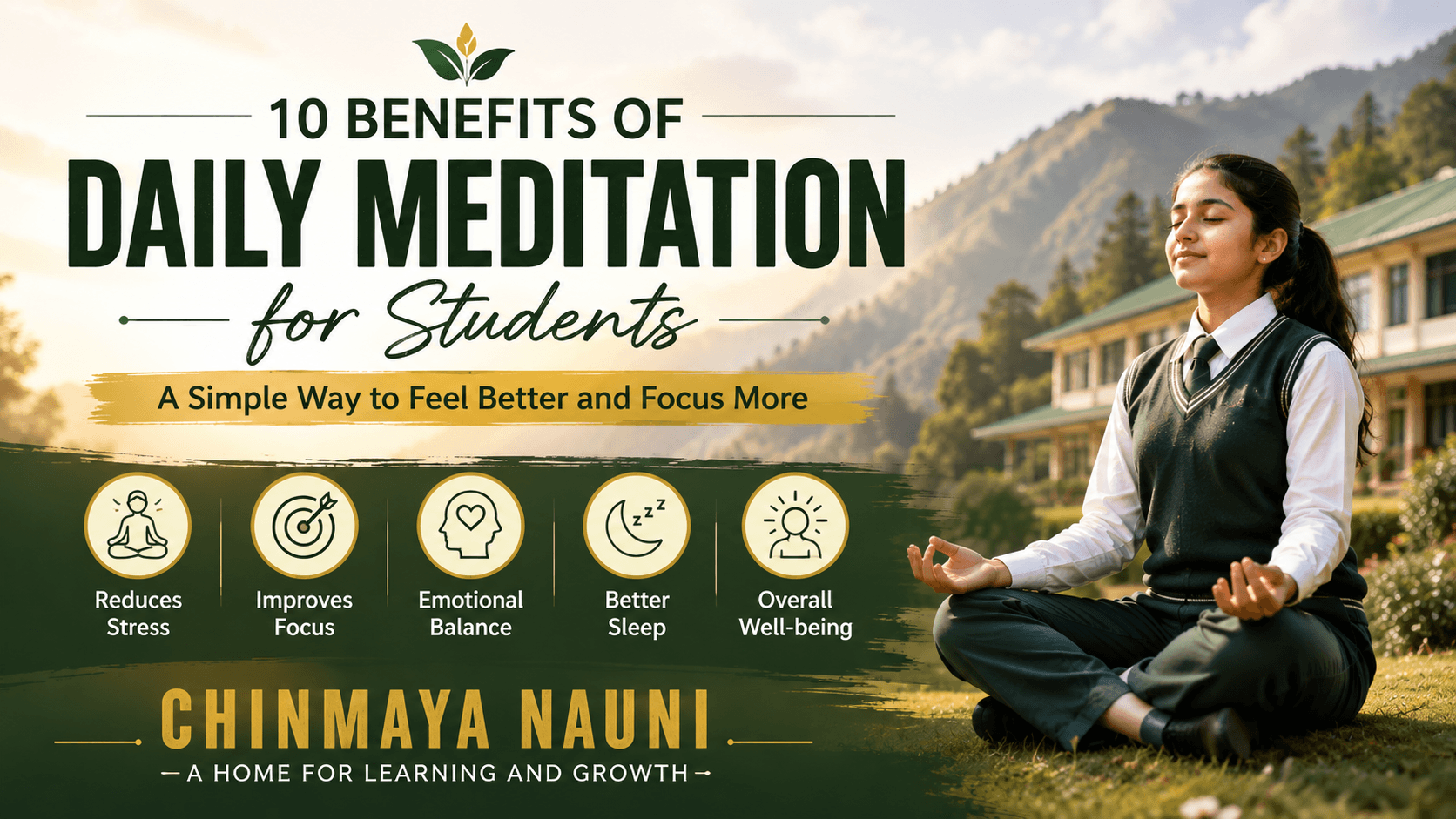
10 Benefits of Daily Meditation for Students: How It Can Improve Focus, Stress and Well-Being
School days can get pretty busy. Students have classes, homework, tests and activities to manage. For those living in a boarding school, there is also the adjustment to a new routine, shared living spaces and being away from family. With so much happening during the day, a few quiet minutes can be useful.
Meditation is one simple way to create that quiet space. It does not require expensive equipment or a long session. A student can simply sit comfortably, take a few slow breaths and pay attention to the present moment.
When practised regularly, meditation can become a small but meaningful part of a student’s daily routine. For Boarding schools in India, where students spend much of their time on campus, activities that support mental well-being can fit naturally alongside academics, sports and other school activities.
10 Benefits of Daily Meditation for Students
1. Helps Students Manage Everyday Stress
Examinations, assignments, competitions and busy schedules can sometimes leave students feeling overwhelmed. Even small problems can feel difficult when someone is already tired or worried.
A few quiet minutes can provide a break from the day’s activities. Meditation does not remove the reason for stress, but it can give students an opportunity to slow down and approach the situation with a calmer mind.
2. Helps Improve Focus During Study
Staying focused on one chapter or assignment is not always easy. Phones, messages and other distractions can quickly take attention away from studying.
During meditation, students practise bringing their attention back whenever their mind wanders. This simple exercise can also be useful when sitting down for homework or examination preparation.
3. Encourages Better Emotional Awareness
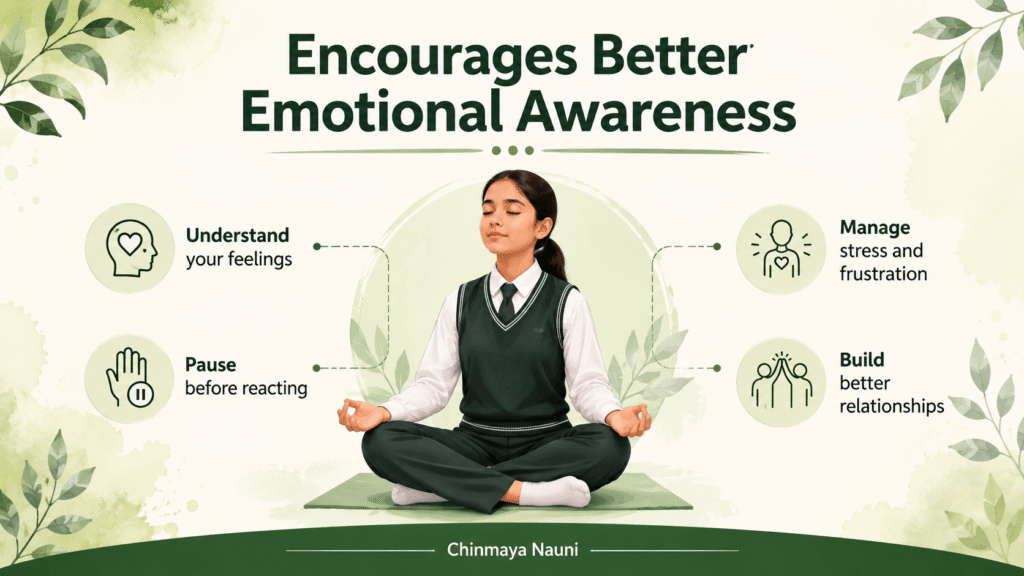
Students experience many different emotions during their school years. They may feel nervous before an examination, frustrated after a difficult class or excited about an upcoming activity.
Meditation encourages students to notice these feelings rather than reacting immediately. Over time, this awareness may help them understand their own reactions a little better.
4. Creates Time for Self-Reflection
Students spend a lot of time learning about subjects such as mathematics, science, languages and history. There should also be some room for understanding themselves.
A few minutes of quiet can help students notice their habits, thoughts and reactions. They may begin to recognise when they are becoming distracted, stressed or tired. That kind of awareness can be useful both inside and outside the classroom.
5. Gives Students a Break From Digital Distractions
For many young people, screens are part of everyday life. Phones, social media, online videos and messages can make it difficult to spend even a short period without checking for something new.
Meditation provides the opposite experience. For a few minutes, students can put the screen aside and focus on something as simple as their breathing.
It is a small habit, but it can create some much-needed quiet in a busy day.
6. Can Support a Healthy Sleep Routine
A busy mind can sometimes make it difficult to settle down at night. Students may still be thinking about homework, examinations or what happened during the day.
A short period of quiet meditation before bed can become part of a relaxing evening routine. It can be combined with other healthy habits, such as maintaining regular sleeping hours and reducing screen use before bedtime.
7. Encourages Patience and Kindness
Meditation is not only about concentration. Some forms of meditation encourage qualities such as kindness, compassion and patience.
These qualities are especially valuable in a residential school environment, where students live and study alongside their classmates every day.
Being able to pause before reacting can sometimes prevent a small disagreement from becoming a bigger one.
8. Helps Students Build a Regular Wellness Habit
One advantage of meditation is that it is simple to practise. Students do not need a large space, special equipment or a long period of free time. A school could introduce a short session in the morning, before evening study or at another suitable point in the daily schedule.
The aim is not to make meditation another academic task. It is simply to make a few minutes of quiet part of the routine.
9. Can Help Students Approach Exams More Calmly
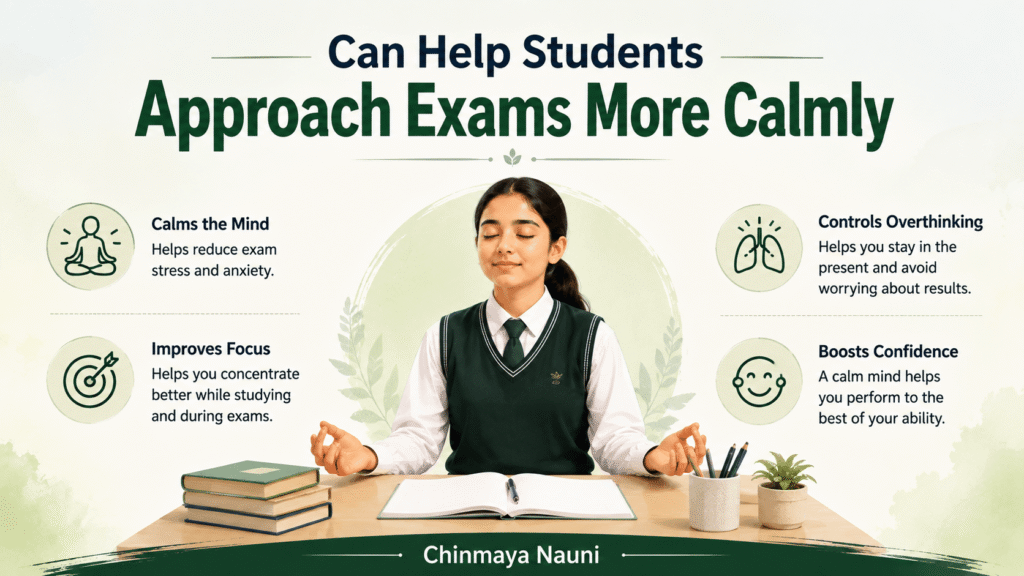
Examination periods can be stressful. Students may spend hours revising and still worry about whether they have prepared enough.
Meditation can provide a short pause between study sessions. Sitting quietly and focusing on breathing may help students step away from constant exam-related thoughts for a few minutes.
It is not a substitute for preparation, of course. Good study habits still matter most. Meditation can simply be one small part of a balanced routine.
10. Supports a More Balanced School Experience
Education is about more than examination marks. Students also need opportunities to develop confidence, discipline, social skills and healthy ways of dealing with everyday challenges.
Meditation can fit into this broader approach. When combined with academics, sports, creative activities, proper sleep and time with friends, it can become one part of a balanced student lifestyle.
Meditation in School Life
Meditation does not have to be a long or complicated activity. For example, students could spend five minutes sitting quietly at the beginning of the day. Another option could be a short session before evening study, giving students a chance to move from a busy part of the day into a more focused period.
The important thing is consistency. A short practice that students are comfortable following regularly may be more useful than an occasional long session.
This is particularly relevant to residential education. Students living on campus already follow a structured timetable, so a short period of mindfulness can become part of that routine without taking away significant academic or recreational time.
Meditation at Chinmaya Vidyalaya Nauni
Meditation has a more specific place at Chinmaya Vidyalaya Nauni than simply being a general wellness suggestion.
The school’s health and counselling information describes meditation as a practice taught to students, with the aim of helping them develop calmness, stability, learning ability and concentration. The school’s current admission information also highlights yoga and meditation as part of student life.
This makes meditation relevant to the school’s broader approach to student development rather than presenting it as just another trend in education.
For a residential school, this kind of practice can give students a regular opportunity to slow down during an otherwise active day.
Making Meditation a Simple Daily Practice
Students do not need to meditate for an hour to begin. Five minutes can be enough to start. They can sit comfortably, keep their attention on their breathing and gently return their focus whenever their mind wanders. There is no need to become frustrated when thoughts appear. Wandering thoughts are a normal part of the process. With regular practice, those few minutes can become a familiar part of the day.
For schools, the bigger benefit may be creating an environment where students understand that taking care of their mental well-being is just as important as completing their academic work.
Conclusion
Meditation is a simple habit, but it can have a useful place in student life. It may help students manage everyday stress, practise concentration, understand their emotions and create healthier routines.
For students living in boarding schools in Himachal Pradesh, where academics, activities and residential life all come together, even a few quiet minutes can provide a welcome pause during the day.
At Chinmaya Vidyalaya Nauni, meditation and yoga are already presented as part of student development. Used thoughtfully alongside academics, sports and other activities, such practices can contribute to a more balanced school experience.
The goal is not to make students meditate for long periods. It is simply to help them develop a habit of pausing, breathing and paying attention—something they can carry with them long after their school years.
FAQs: Daily Meditation for Students
Q1. What are the main benefits of daily meditation for students?
Ans: Daily meditation may help students manage everyday stress, improve concentration, become more aware of their emotions, and create a calmer daily routine. It can be especially useful during busy school days and examination periods.
Q2. How does meditation help students improve concentration?
Ans: Meditation gives students an opportunity to practise keeping their attention on one thing, such as their breathing. When the mind wanders, they learn to gently bring their attention back, which can be a useful habit during study time.
Q3. Can meditation help students deal with exam stress?
Ans: Meditation may help students take a short break from constant examination-related thoughts. A few minutes of quiet breathing can help them pause and approach their studies with a calmer mindset.
Q4. How long should a student meditate each day?
Ans: There is no fixed amount of time that works for everyone. Students can begin with around 5–10 minutes a day and gradually develop a routine that feels comfortable. Consistency is generally more important than having long sessions.
Q5. Can meditation help students sleep better?
Ans: Meditation may help students relax before bedtime and settle a busy mind. Combining a short meditation session with regular sleeping hours and less screen time at night can support a healthier sleep routine.
Q6. Can meditation improve emotional awareness in students?
Ans: Yes. Meditation encourages students to notice their thoughts and feelings without immediately reacting to them. With regular practice, this may help them recognise emotions such as frustration, nervousness or worry more easily.
Q7. Is meditation useful in boarding schools?
Ans: Meditation can fit well into a boarding-school routine because students already follow a structured daily schedule. A short session in the morning or before evening study can provide some quiet time between academics and other activities.
Q8. Can meditation help students reduce screen distractions?
Ans: Meditation gives students a short period away from phones, social media and other digital distractions. Making this a regular habit can encourage students to spend some time focusing on the present moment without a screen.
Q9. Can meditation be practised at school?
Ans: Yes. Meditation does not require special equipment or a large space. Schools can introduce short sessions during suitable parts of the day, such as before classes, after physical activities or before evening study.
Q10. Is meditation suitable for students at boarding schools in Shimla?
Ans: Yes. Students at boarding schools in Shimla can include meditation as part of a balanced daily routine alongside academics, sports, recreation and adequate rest. A few quiet minutes can provide a useful break from a busy school schedule.